Az e-kereskedelem növekedése Európában ritkán lassul a kereslet miatt. Gyakrabban akkor lassul le, amikor a logisztika már nem képes támogatni a bővülést. Ahogy az online boltok új piacokra lépnek, az készletek kezelése egyre nehezebbé válik, a szállítási idő megnő, és az ügyfélélmény országonként eltérni kezd.
A logisztikai struktúra, amely egy piacon működik, nem skálázódik automatikusan több piacra. Azok a márkák, amelyek fenntarthatóan növekednek, már a kezdetektől úgy tervezik meg logisztikai folyamataikat, hogy azok több országot is támogassanak, beleértve a láthatóságot, az egységességet és az irányítást minden egyes szakaszban.
A valódi kihívás a skálázás során az európai piacokon
Több európai országba való értékesítés operatív nyomást hoz, amely nem mindig látható kívülről.
Az e-kereskedelmi csapatok olyan kihívásokkal szembesülnek, mint például:
- Hosszabb szállítási idő, ha a rendeléseket egyetlen helyről szállítják
- Növekvő szállítási és kezelési költségek, ahogy a volumenek nőnek
- Készletek elosztása különböző helyszíneken valós idejű láthatóság nélkül
- Nehézségek azonos szintű szolgáltatás biztosításában minden piacon
Közép- és Kelet-Európában a logisztikai összetettséget tovább növeli az utánvétes (COD) rendszer, amely továbbra is a konverzió egyik fő mozgatórugója olyan országokban, mint Magyarország, Románia és Lengyelország. A COD helyi szállítói kapcsolatokkal, erős elszámolási folyamatokkal és megbízható visszáru kezeléssel működik, hogy nyereséges maradjon.
A megfelelő logisztikai struktúra nélkül ezek a tényezők a növekedést inkább korlátozzák, mint támogatják.
Miért teszi lehetővé a központosítás a skálázást
Az e-kereskedelem skálázása nem azt jelenti, hogy több szolgáltatót, több rendszert vagy több operatív réteget kell hozzáadni. Azt jelenti, hogy olyan struktúrát kell építeni, amely lehetővé teszi a növekedést anélkül, hogy elveszítenénk az irányítást.
A logisztika központosítása regionális központokban lehetővé teszi, hogy egyetlen operatív gerinc szolgáljon több országot. Egyetlen jól elhelyezett helyről a vállalatok képesek:
- Készleteket tárolni közelebb a vásárlókhoz több piacon
- Fenntartani a gyors és kiszámítható szállítási időket
- Több országot kiszolgálni egyetlen technikai integrációval
- Valós időben követni a készleteket, megrendeléseket és visszáru kezelést
A logisztika nem válik bonyolultabbá, ahogy a volumenek nőnek, hanem hatékonyabbá válik.
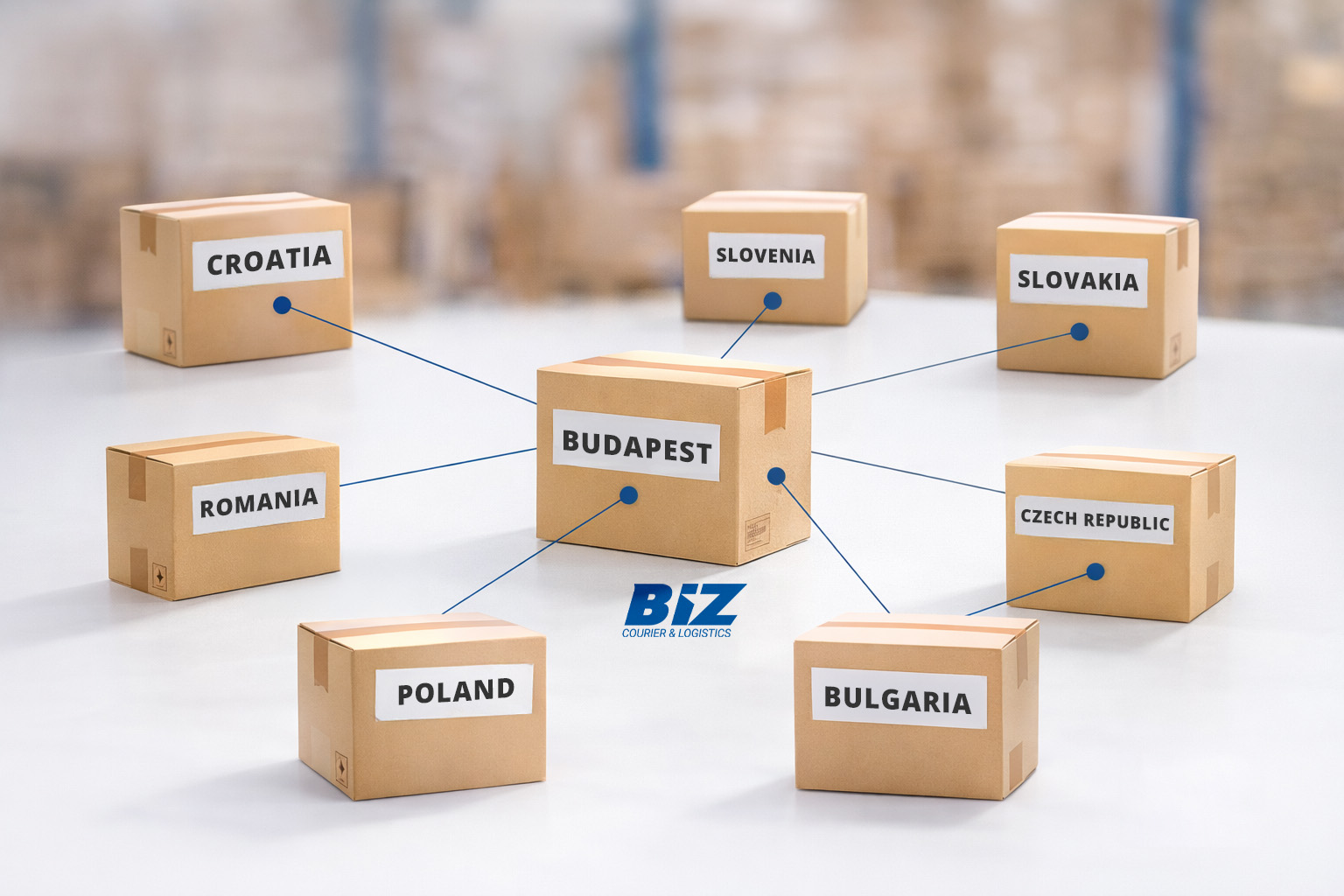
Magyarország mint stratégiai kapu Közép- és Kelet-Európába
A jól elhelyezett logisztikai központ meghatározza, hogy milyen gyorsan és költséghatékonyan lehet piacokat kiszolgálni. Magyarország Közép- és Kelet-Európa közepén helyezkedik el, közvetlen hozzáférést biztosítva kulcsfontosságú e-kereskedelmi piacokhoz, például Romániához, Lengyelországhoz, Bulgáriához, a Cseh Köztársasághoz, Szlovákiához, Szlovéniához és Horvátországhoz.
Egyetlen központról Magyarországon a vállalatok képesek:
- Versenyképes 24-48 órás szállítást biztosítani az egész régióban
- Csökkenteni a határokon átnyúló szállítási költségeket
- Támogatni a COD-t a helyi piacokon, anélkül hogy külön ország-specifikus beállításokat kellene kezelni
- A készleteket koncentrálva tartani, miközben még mindig helyben történik a kiszállítás
Ez a modell lehetővé teszi az e-kereskedelmi márkák számára, hogy kihasználják a több raktáras hálózat előnyeit, anélkül hogy a bonyolultságokkal kellene szembenézniük.
A logisztikai struktúra, amely valóban támogatja az e-kereskedelmet
A logisztikai struktúra, amelyet az e-kereskedelem számára terveztek, nem csupán a tárolásról és a szállításról szól. Támogatja a teljes kereskedelmi ciklust.
Egy skálázható logisztikai modell magában foglalja:
- A készletek beérkezését valós idejű láthatósággal a rendelkezésre álló készletekről
- Gyors és megbízható rendeléskiválasztó és csomagoló munkafolyamatokat
- Last Mile szállítást, amely minden helyi piacra optimalizált
- Visszáru kezelést, amely a fő műveletek része, nem pedig utólagos gond
Amikor ezek az elemek egyetlen rendszerben működnek, a csapatok átláthatóságot nyernek arról, hogy mi elad, mi tér vissza, és mi igényel újratöltést. Ez közvetlenül befolyásolja a konverziót, a rendelkezésre állást és az ügyfélelégedettséget.
A hatékony skálázás stratégiai döntés
Azok az e-kereskedelmi vállalkozások, amelyek sikeresen működnek Európában, nem improvisált logisztikára támaszkodnak. Olyan struktúrákba fektetnek be, amelyek képesek kezelni a volumeneket, a szezonális keresletet és a több országot érintő komplexitást anélkül, hogy elveszítenék az irányítást.
A jól megtervezett logisztikai hálózat a növekedést kiszámíthatóvá teszi, nem pedig törékennyé. Lehetővé teszi új piacok hozzáadását anélkül, hogy zűrzavart okozna a meglévő műveletekben, miközben védi a szolgáltatási szinteket és a profitmarzsokat.
Következtetés
A logisztika már nem csupán háttérfunkció az európai e-kereskedelemben. Az egyik legerősebb tényező a vásárlói élmény, a működési hatékonyság és a hosszú távú skálázhatóság szempontjából.
A BIZ Courier & Logistics S.A. egy európai fulfillment hálózatot üzemeltet, amely kifejezetten a több piacot érintő e-kereskedelem számára lett tervezve, központosított irányítással, regionális központokkal, COD szakértelemmel és integrált szállítási folyamatokkal.
📦 Fedezze fel, hogyan alakítja a BIZ a logisztikát versenyelőnnyé, vegye fel velünk a kapcsolatot, hogy elkezdjük.